
- “They go above and beyond for their clients and always have the best interest of their clients in the forefront.”
- “From the first meeting I knew I was in good hands with the Reardon Law Firm.”
- “For piece of mind hire a reputable Attorney and firm. I did, The Reardon Law Firm.”
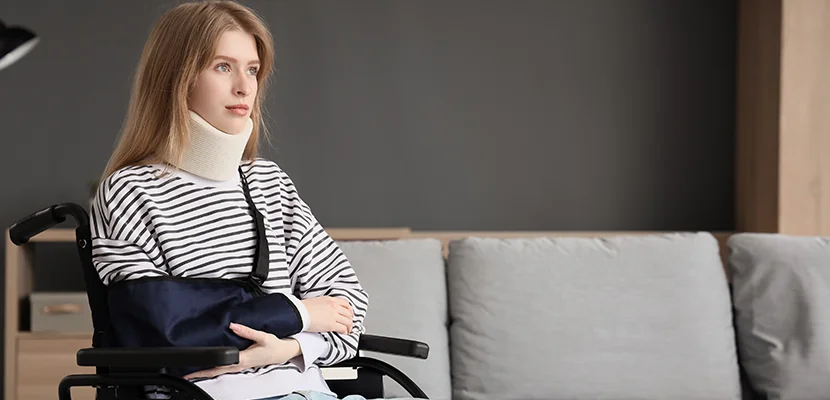
Concussions in teens can lead to serious short-term and long-term effects, including headaches, dizziness and memory problems. These symptoms can affect the athlete/student’s ability to concentrate, process information and retain new information, making it difficult for them to keep up with their schoolwork.
Repeated concussions also increase the risk of chronic traumatic encephalopathy (CTE), which can cause cognitive decline and mood disorders. These injuries can also impact academic performance and emotional well-being, making it crucial for teens to receive proper medical care and support during recovery.
4 reasons why young female athletes face different challenges
Title IX has been great for girls and college women’s sports. Unfortunately, researchers now find that young female athletes face some unique challenges when it comes to concussions and their symptoms. Here are some key points to consider:
1. Physical differences
Girls’ bodies are different from boys in several ways that can affect how they experience and recover from concussions. For example, girls generally have less neck strength, which can make them more susceptible to head injuries. Additionally, hormonal differences can influence the severity and recovery time of concussions.
2. Higher risk of concussions
Studies have shown that girls have a higher rate of concussions in certain sports compared to boys. For instance, in sports like soccer and basketball, girls are more likely to suffer concussions. This could be due to differences in how the sports are played, as well as the physical differences mentioned earlier.
3. Symptoms and recovery
Girls often report more severe symptoms and take longer to recover from concussions than boys. Symptoms can include headaches, dizziness, and difficulty concentrating. These symptoms can interfere with schoolwork and daily activities, making it challenging for girls to keep up with their responsibilities.
4. Emotional and psychological impact
The emotional and psychological impact of concussions can be significant for teen girls. They may experience feelings of isolation, anxiety and depression during their recovery. The pressure to return to sports and school can add to their stress, making it especially important for them to receive emotional support from family, friends and coaches.
Parents, coaches and medical staff need to be aware
Proper management of concussions is crucial for teen girls. This includes getting a prompt medical evaluation, following a structured recovery plan and gradually returning to sports and other activities. Ignoring symptoms or returning to sports too soon can increase the risk of further injury and long-term complications.
Having a strong support system is also essential for teen girls recovering from concussions. Parents, coaches and healthcare providers should work together to ensure they receive the necessary care and support. Encouraging open communication and providing emotional support can make a significant difference in their recovery process.
