
- “They go above and beyond for their clients and always have the best interest of their clients in the forefront.”
- “From the first meeting I knew I was in good hands with the Reardon Law Firm.”
- “For piece of mind hire a reputable Attorney and firm. I did, The Reardon Law Firm.”
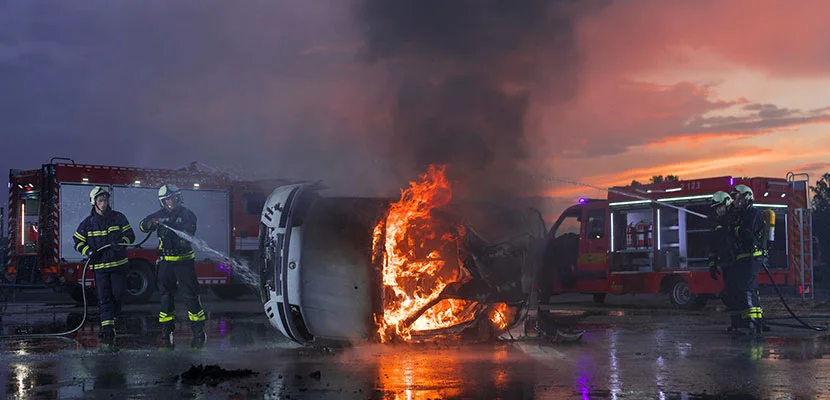
Burn injuries can and do happen in car accidents. While not as common as other injuries, they can be severe and leave lasting physical and emotional effects.
Fires, hot surfaces, chemicals or friction during a crash can all lead to burns. Here are some crucial points to consider.
How burn injuries happen in a crash
Vehicle fires are one of the main causes of burn injuries after a collision. A fuel leak, damaged battery or electrical issue can quickly ignite, exposing occupants to open flames or intense heat. Burns can also come from contact with hot metal parts, steam from a ruptured radiator or friction from seatbelts or airbags. In some cases, chemicals released from airbags or spilled during impact may cause chemical burns.
Burns are classified by their depth and severity. First-degree burns are mild and affect only the outer skin. Second-degree burns damage deeper layers and may cause blistering and swelling. Third-degree burns are the most serious, often destroying skin, nerve, and tissue. The type of burn often depends on how the injury occurred and how long the skin was exposed to the heat source.
Treatment and long-term effects
Minor burns may heal with basic care, but more serious injuries often require hospital treatment, skin grafts and physical therapy. Some survivors are left with scarring, nerve damage or limited mobility. Emotional injuries are also common. People who suffer burn injuries may experience anxiety, depression or post-traumatic stress, especially if the injuries affect their appearance.
Burn injuries from car accidents can have a long and difficult recovery process, both physically and emotionally. For more information on your compensation options, you should seek legal guidance.
